

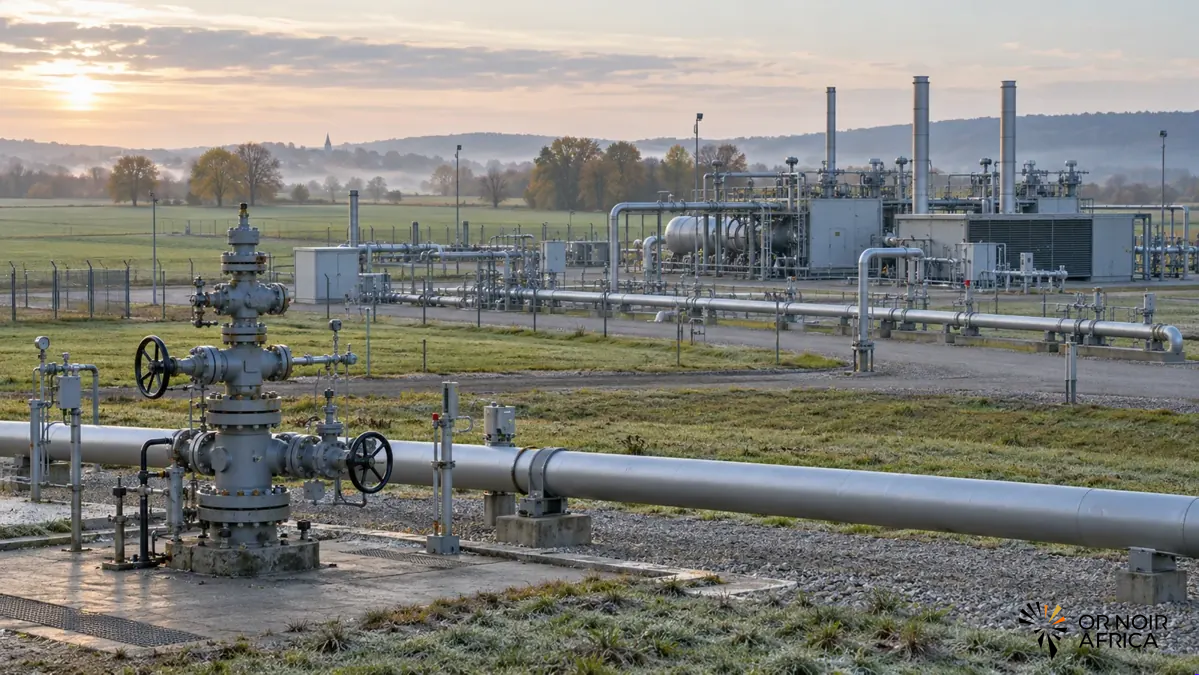
**Categories:** International, Energy **Tags:** Ireland, 2027 budget, energy renovation, solar energy, biomethane **Excerpt:** Ireland's budget provides €1.28 billion to support the energy transformation, including more than €950 million for the energy programme. Support for homes, batteries and biomethane aims to reduce dependence on imported fuels, subject to swift implementation. **Slug:** irlande-budget-2027-investissement-transition-energetique **Image alt:** Solar panels and home energy renovation in Ireland.
Ireland will allocate €1.28 billion to the energy transition in its 2027 budget. The programme combines support for home renovations, solar photovoltaics and domestic storage, measures to replace fossil-fuel boilers and financing for emerging industries. According to information published by the government, more than €950 million falls under the energy transformation programme, including investment of more than €650 million for works in homes and communities.
This priority addresses a dual vulnerability. The country still depends heavily on imported fuels, and households remain exposed to international price fluctuations. Renovations, solar self-generation and new storage capacity aim to reduce consumption and strengthen building resilience. Announced funding nevertheless still needs to become delivered projects, measured savings and lasting reductions in energy bills.
Support focused on homes and communities
The main energy budget allocation is intended to support improvements to homes and community buildings. Measures include grants for solar panels, batteries, insulation and replacement of fossil-fuel heating equipment. In particular, the Warmer Homes scheme plans to include solar photovoltaics and storage by default for households eligible for fully funded renovations.
The government has also announced more favourable rules for certain households receiving social benefits, as well as an increase in the tax exemption for income from electricity microgeneration from €400 to €600. The aim is to broaden the economic appeal of domestic solar generation and encourage households to feed surplus power into the grid.
Savings communicated by the authorities—up to €878 annually for certain measures, and more for a complete package of renovations—vary with the home, consumption habits, energy costs and installed equipment. They are not a uniform guarantee for every household. Solar investment returns also depend on upfront costs, the self-consumption rate, the price paid for exported electricity and the local grid's ability to manage flows.
Reducing demand before adding supply
Energy renovations can have a structural effect on demand. Better insulation, higher-performance windows and efficient heating systems reduce energy needs, improve comfort and lessen sensitivity to gas and oil prices. This approach complements renewable generation development: every kilowatt-hour saved reduces pressure on networks and new capacity.
The challenge is the pace of delivery. Grant programmes need installers, materials, technicians and simple procedures. If demand for works exceeds delivery capacity, waiting times lengthen and costs can rise. The most vulnerable households also need tailored support, because financing assistance alone is not always enough to organise works and choose technical solutions.
The Irish programme also increases funding for local authorities and district heating projects. Nine heat network projects are to receive funding for studies and preparation. This infrastructure can use heat sources available near neighbourhoods, but requires long-term planning, sufficient consumer density and contracts guaranteeing supply.
Biomethane and system diversification
The budget includes €200 million to support construction of new anaerobic digestion units and biomethane development. This industry converts organic waste and agricultural residues into renewable gas. According to government information, seven facilities are already completed or under construction, and a capital grant scheme is to support new projects.
Biomethane could help diversify gas sources, particularly for uses that are difficult to electrify. Its development nevertheless depends on feedstock availability, competition with other agricultural uses, injection infrastructure and sustainability guarantees. Projects will need to demonstrate that they actually reduce lifecycle emissions and do not create incentives to intensify unsustainable practices.
Ireland is also allocating funds to climate action, the just transition and preparation of heating infrastructure. This expenditure can help distribute transition costs, particularly in areas affected by changes in traditional sectors. The quality of allocation criteria and monitoring of results will be essential to ensure funds benefit the intended communities.
Effectiveness will depend on execution
The announced amount does not yet measure energy impact. Useful indicators will include the number of homes renovated, reductions in their consumption, solar installations actually connected, battery capacity commissioned and biomethane volumes produced. The cost per metric ton of carbon avoided must also be assessed, along with whether support reaches the households most in need.
The 2027 budget relies heavily on decentralised investment close to buildings and communities. This approach can reduce bills and import dependence while stimulating a local renovation industry. However, it must be accompanied by a grid able to accommodate distributed generation and rules making both self-consumption and grid exports predictable.
Ireland's challenge will therefore be to move from an ambitious budget allocation to a verifiable improvement in energy security. Swift implementation, transparent criteria and public data on savings achieved will determine the true impact of the €1.28 billion allocation.
Have any thoughts?
Share your reaction or leave a quick response — we’d love to hear what you think!
-
 0
-
0
-
0
-
0
-
0
-
0





