

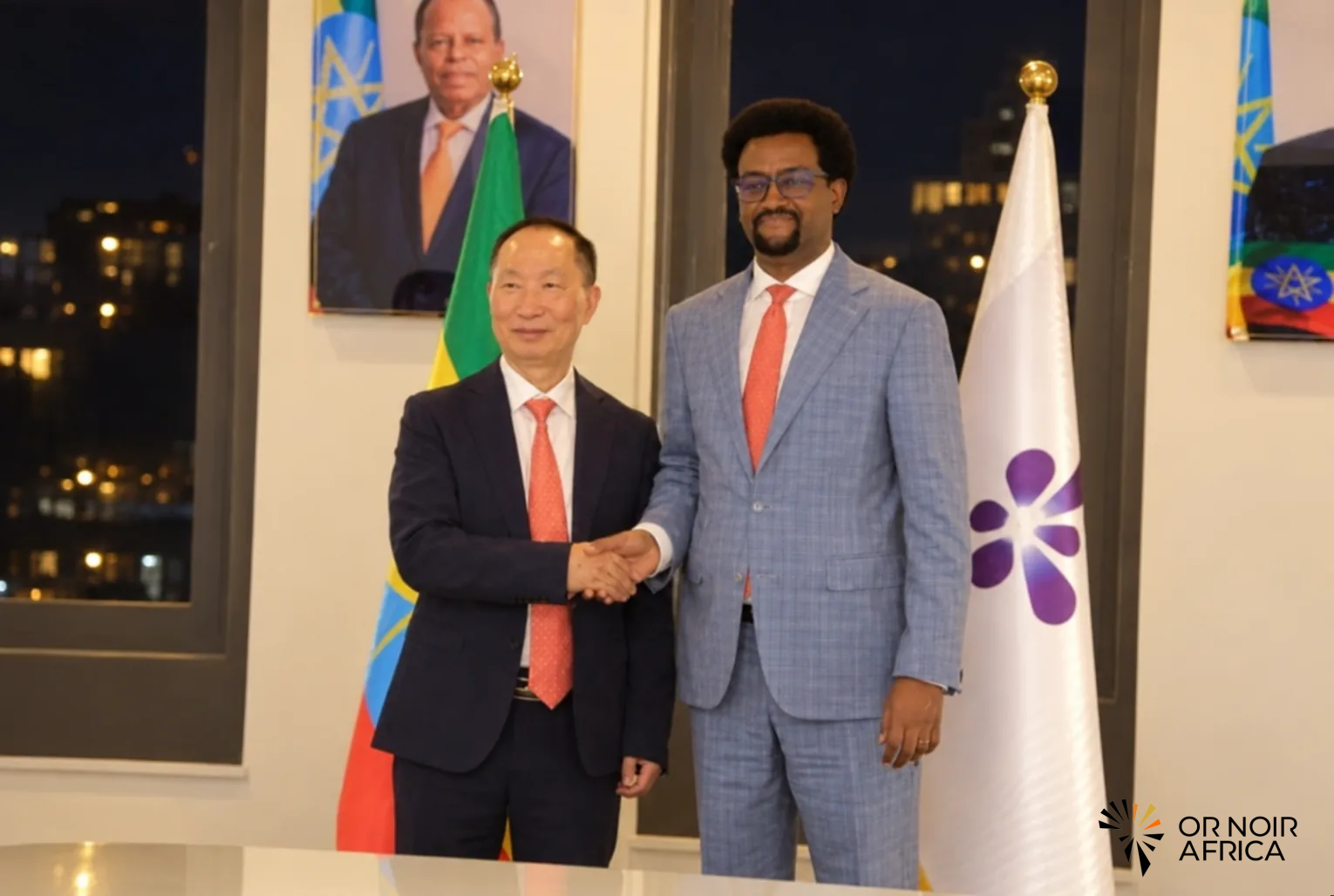
Ethiopia has added new industrial processing capacity to its economy. China’s Xinye Special Steel group announced the commissioning of an electrolytic aluminum plant with a nominal capacity of 180,000 metric tons a year in the Gada Special Economic Zone. Located approximately 65 kilometers southeast of Addis Ababa, the facility is intended to meet part of local demand and reduce purchases of metal from abroad.
The opening is part of Addis Ababa’s strategy to increase manufacturing production and retain more value domestically. Aluminum is used in construction, transport, electrical equipment and industry. Local availability could shorten manufacturers’ supply lead times and limit foreign currency outflows. However, launching a plant does not yet mean that the entire supply chain has been localized.
New capacity, but an upstream supply chain still reliant on imports
The plant uses electrolysis, a process that converts alumina into primary aluminum. Ethiopia, however, lacks significant bauxite reserves and does not produce alumina on a commercial scale. Xinye will therefore have to import the raw materials needed for production. Proximity to the Modjo dry port and the road and rail corridor linking Addis Ababa to Djibouti can facilitate logistics, but it removes neither dependence on external supplies nor exposure to freight costs and global markets.
This arrangement defines the project’s first industrial challenge. Local value added will come from processing, employment and associated services, while upstream operations remain tied to imports. As production increases, regular alumina availability, transport lead times and inventory management will determine the facility’s competitiveness. A plant can reduce the finished-metal import bill while increasing raw-material imports; the net benefit will depend on prices, actual production volumes and local demand.
The announced capacity of 180,000 metric tons a year is a design target. The decisive factor will be utilization: starting the lines, maintaining stable production, meeting quality standards and securing regular customers. Manufacturers replacing imported purchases with domestic supplies will need a reliable, competitive product, not simply high nominal capacity.
Electricity as a condition for competitiveness
Aluminum smelting consumes substantial electricity. Access to abundant, reliable and predictable energy will therefore be a major determinant of production costs. Ethiopia can draw on its hydroelectric fleet, of which the Grand Ethiopian Renaissance Dam is now a central component, but growing industrial demand requires parallel strengthening of transmission and distribution networks.
Interrupted or excessively expensive electricity supplies can reduce facility utilization and undermine a smelter’s profitability. Regional experience illustrates this: in southern Africa, the Mozal smelter in Mozambique entered maintenance from March 2026 amid electricity supply difficulties. For new projects, the question is therefore not simply whether renewable energy exists in the country, but whether it can reach the plant at a price and reliability compatible with a continuous process.
If electricity comes mainly from hydropower, aluminum produced in Ethiopia could also have a smaller carbon footprint than metal manufactured using coal. This advantage will only materialize, however, if emissions data are measured and verified throughout the relevant chain, including production, imported raw materials and transport. International customers’ climate requirements are making this traceability increasingly important for accessing certain markets.
A project alongside broader ambitions
Xinye’s plant is not the only initiative being prepared. In November 2025, Ethiopia signed a memorandum of understanding with Russia’s Rusal group for a project with a proposed annual capacity of 500,000 metric tons. The first phase was associated with an estimated investment of approximately $1 billion. This project remains at a different stage from Xinye’s unit, which announced the start of operations: a memorandum of understanding guarantees neither a final investment decision nor delivery of the planned capacity.
If both initiatives advance, Ethiopia could establish a new aluminum production hub on the continent. The potential is significant in a region where demand for materials is growing with infrastructure, housing, electricity networks and transport. Rapid expansion, however, will require a balance between production capacity and demand backed by purchasing power. Supply contracts, industrial customers and regional markets will determine whether volumes can be absorbed without putting pressure on prices.
The industrial policy challenge also involves extending benefits beyond the smelter. Local firms can participate in maintenance, engineering, logistics, component manufacturing and services. Appropriate technical training would help prepare the operators and maintenance teams the facilities will need for several decades. The special economic zone can facilitate establishment, but integrating domestic suppliers and skills will depend on the quality of links created with the wider economy.
Xinye’s commissioning thus marks a concrete step toward import substitution and industrial diversification. It does not yet guarantee an autonomous industry. Alumina supplies, electricity availability, production ramp-up and access to regional markets will be the four indicators to monitor when assessing success. If these conditions converge, Ethiopia can turn its energy advantage into competitive metallurgical production. Otherwise, the plant will remain dependent on external supply chains and resources whose costs lie partly beyond national authorities’ control.
Have any thoughts?
Share your reaction or leave a quick response — we’d love to hear what you think!
-
 0
-
0
-
0
-
0
-
0
-
0





