

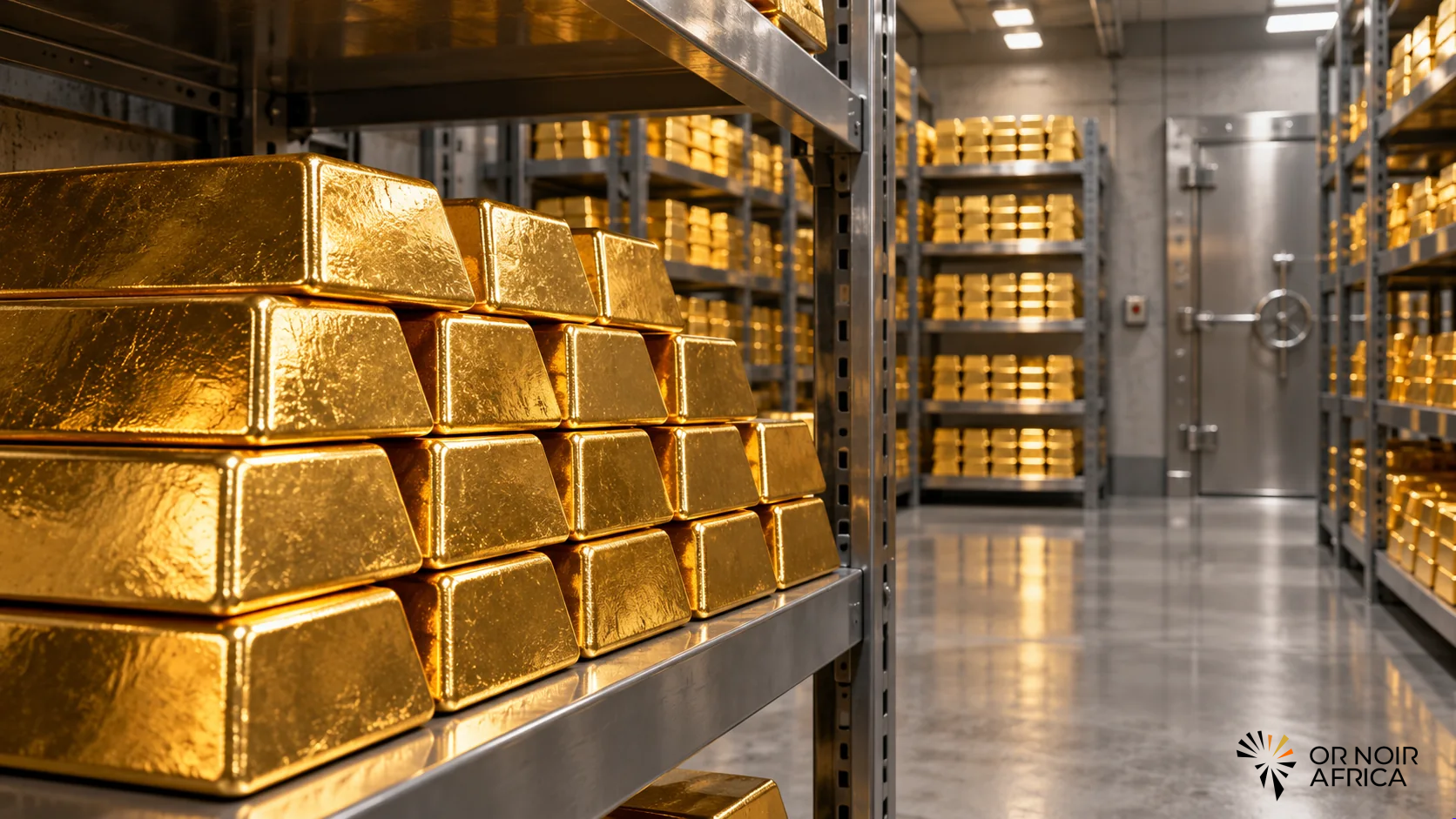
A target of $15,000 per ounce for gold is circulating in market discussions, while forecasts from several major banks are around $4,500 to $6,000. The gap reflects more than differing opinions about inflation or gold demand. It rests on two visions of the financial system: one anticipates a gradual rise in the metal, while the other envisages a regime change driven by declining confidence in sovereign bonds and currencies.
When the forecasts discussed were published, spot gold was trading around $4,160 per ounce. The $15,000 target would therefore be several times the observed price. It should be understood as an extreme, conditional scenario, rather than a central expectation or guaranteed trajectory.
Two different forecasting frameworks
Bank projections generally incorporate variables such as central-bank purchases, interest rates, the dollar, geopolitical tensions and flows into gold-backed funds. They assume that the financial system continues to function, even as its balances change. In this framework, gold can rise as investors seek protection or diversify reserves without requiring a monetary disruption.
The $15,000 scenario relies on a much more radical assumption: investors would demand a substantially higher premium to hold US government bonds, while confidence in the authorities' ability to stabilize debt would erode. If this perception spread through markets, buyers could turn to assets without counterparty risk, including gold. The effect would nevertheless depend on the scale and duration of the confidence crisis.
Such a forecast combines several uncertain developments: persistently low or negative real interest rates, sustained demand for safe-haven assets, reserve reallocation and accelerating physical purchases. If these conditions do not materialize simultaneously, the case for that price level weakens.
Public debt is one factor among others
Supporters of the extreme scenario point to rising US federal debt and bond yields. The 10-year Treasury yield reached approximately 5.23% in late September 2026, its highest level since 2007, while gross federal debt exceeded $40 trillion. These figures fuel the debate over fiscal sustainability but are insufficient to predict a financing crisis.
Bond markets also assess growth, inflation, central-bank decisions, debt issuance and international investor demand. High yields may reflect greater compensation for inflation or risk without meaning that buyers are abandoning American securities. Fiscal and monetary policies and the government's ability to refinance debt remain decisive.
Gold pays neither interest nor dividends. When real bond yields rise, the opportunity cost of holding gold may increase, limiting its relative appeal. When real rates fall, the dollar weakens or financial risks rise, the metal may benefit from stronger demand. These mechanisms sometimes offset one another, and their effects are not automatic.
Indicators for assessing the scenario
Comparing gold with equities can help track changes in market preferences, but does not provide a standalone signal. The ratio of the gold price to the S&P 500 index was around 0.54 in the data cited by the scenario's analysts. A sustained rise above higher levels might indicate gold outperforming equities without, by itself, confirming a crisis of confidence in bonds.
Investors also track real rates, the dollar, central-bank purchases, flows into gold funds and bond-market behavior. Rising gold prices accompanied by persistent central-bank purchases can strengthen the case for reserve diversification. A rapid price increase without confirmation from physical flows or financial indicators may instead reflect accelerating speculation.
Central banks do not all act for the same reasons, and purchase statistics are published with a delay. Investment-flow data can also vary from week to week. Comparing indicators over an extended period and distinguishing structural changes from short-lived movements is therefore preferable.
Why $15,000 remains a disruptive scenario
A $15,000 price would require a substantial reassessment of gold's role in portfolios and global reserves. This could occur where several factors converge: fiscal crisis, loss of monetary confidence, sustained official purchases and persistently falling real yields. Without that combination, banks' more moderate targets are more consistent with gradual market evolution.
The useful debate is not about mechanically choosing between $5,000 and $15,000. It concerns understanding the assumptions separating these scenarios and the signals that would confirm or invalidate them. For participants in Africa's gold industry, high prices can support revenues and investment but also heighten the importance of taxation, revenue management and project stability.
Price forecasts remain subject to significant errors and provide no guarantees. An extreme scenario may help examine risks to the financial regime, but should not be confused with a central forecast. Changes in real rates, the dollar, official purchases and confidence in bonds will help assess whether gold is heading for a gradual rise or whether markets are entering a much more disruptive dynamic.
Have any thoughts?
Share your reaction or leave a quick response — we’d love to hear what you think!
-
 0
-
0
-
0
-
0
-
0
-
0