

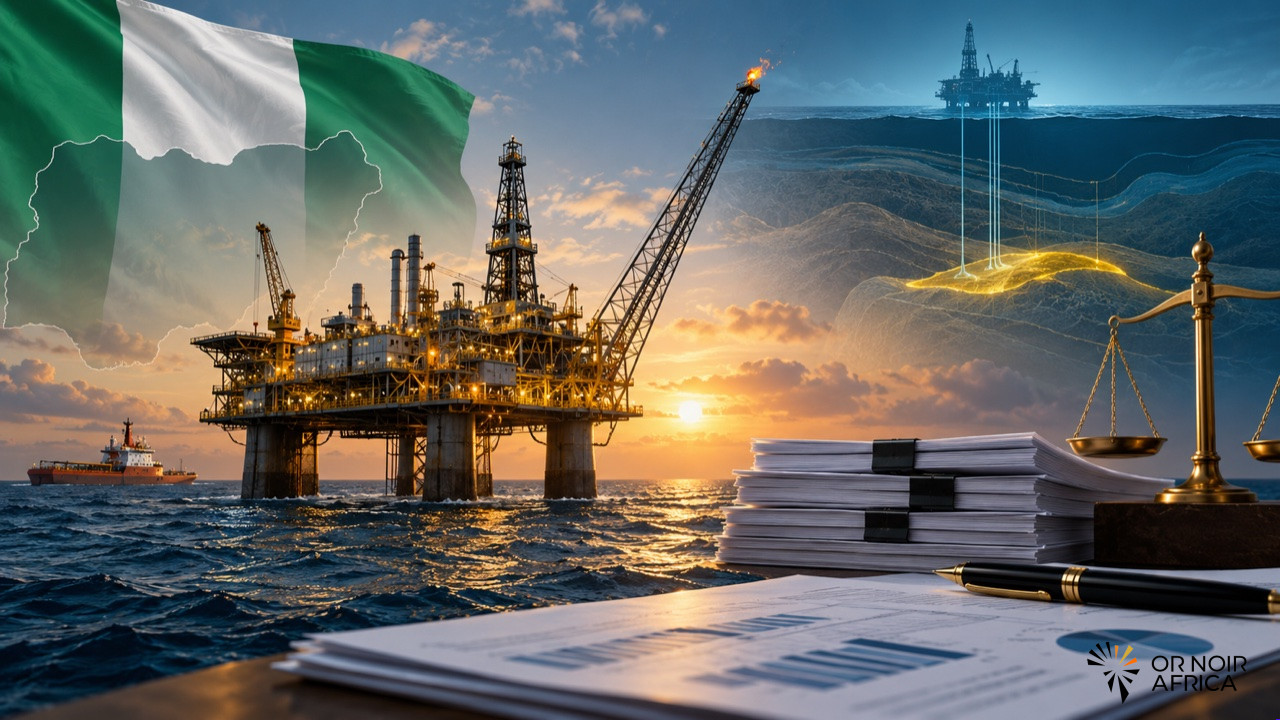
Nigeria’s energy landscape is reaching a decisive stage under President Bola Tinubu’s leadership. Seeking to revitalize the national oil sector, the head of state has officially approved a series of “targeted and investment-linked” fiscal and regulatory incentives specifically designed for the deepwater Bonga Southwest project operated by Shell. The announcement follows a high-level meeting between the Nigerian president and the oil group’s CEO, Wael Sawan, marking a turning point in the investment attraction strategy of Africa’s leading crude producer.
These new measures do not constitute blanket tax benefits, but are based on performance and reciprocity. President Tinubu stressed that the incentives are strictly conditional on fresh capital, tangible increases in production volumes and rigorous local content integration. The political objective is clear: the government requires a final investment decision for Bonga Southwest before the current administration’s term ends.
The financial stakes behind this collaboration are enormous for Nigeria’s economy. According to details provided by Olu Arowolo Verheijen, the president’s special adviser on energy, Shell has expressed its intention to inject approximately an additional $20 billion into the future Bonga Southwest project. This major commitment adds to the $7 billion already invested by the government in various offshore projects, including Bonga North, since Tinubu came to power in 2023.
For Shell, this acceleration confirms a major strategic pivot. After divesting several onshore assets often marked by security and environmental challenges, the company is refocusing on gas and deepwater operations, segments considered more profitable and stable. By increasing its interest in the Bonga field to 65% last year following an acquisition of shares from TotalEnergies, Shell is reaffirming its long-term confidence in Nigeria’s offshore potential.
This synergy between Abuja’s regulatory reforms and Shell’s ambitions appears to be giving the country’s oil industry renewed momentum. By closely linking tax relief to tangible production results, the Nigerian government hopes not only to stabilize oil revenues but also to consolidate its leading position in Africa’s energy landscape while modernizing its floating production infrastructure.
Have any thoughts?
Share your reaction or leave a quick response — we’d love to hear what you think!
-
 0
-
0
-
0
-
0
-
0
-
0