

The energy mix describes the distribution of different sources used to meet a country's or region's needs. It can describe energy consumed as a whole—oil, gas, biomass, hydropower, solar, wind and other resources—or be limited to electricity generation. These two interpretations must not be confused: a country may generate a substantial share of its electricity from hydropower while depending on oil for transportation and biomass for cooking.
There is no single energy mix in West Africa. Resources, infrastructure and policies differ between countries. Systems are nevertheless linked through electricity trade, transmission networks, fuel supplies and regional integration projects.
Diverse resources, unequal systems
The region has natural gas and oil resources, major rivers suitable for hydropower, strong sunshine, wind potential in some areas and biomass from agricultural and forestry activities. Their presence does not mean they are exploited everywhere or that the energy produced is accessible to everyone. The ability to mobilize a resource depends on investment, networks, technical skills, market rules and project stability.
In several electricity systems, thermal plants using gas, fuel oil or diesel play an important role. Gas can reduce dependence on liquid fuels when available at a competitive cost, but producing fields, pipelines, terminals or reliable supply contracts are needed. Fuel oil and diesel plants can provide backup, but importing fuel exposes budgets and tariffs to international market fluctuations.
Hydropower is a pillar for countries with large river basins. It can generate electricity at scale and facilitate grid balancing. Its output nevertheless remains sensitive to hydrological variations, droughts and shared water management. Large dams also require investment, construction time and social and environmental measures.
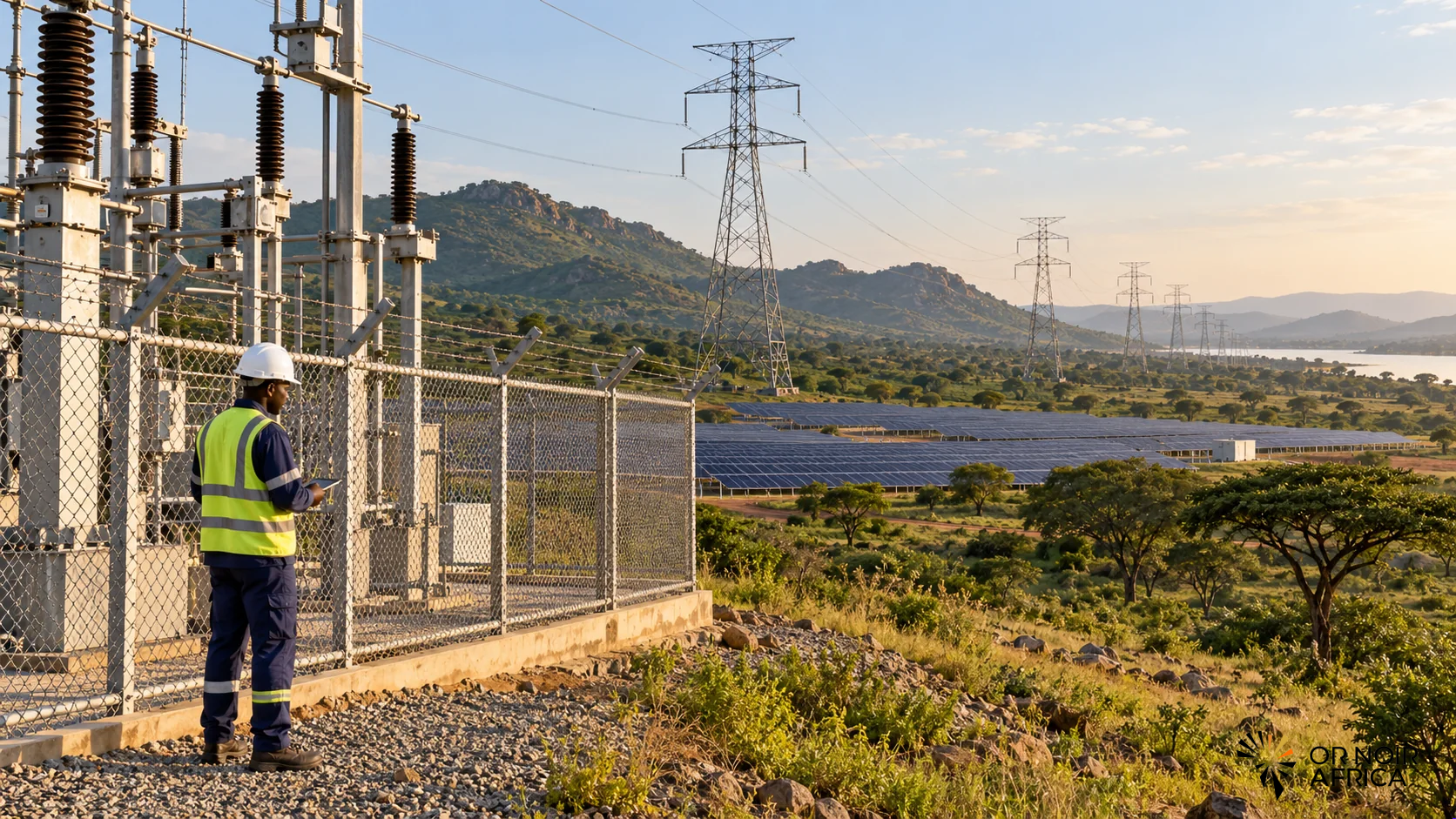
Solar photovoltaics are expanding thanks to falling costs and the rapid deployment of some installations. Wind and biomass can also supplement generation. Integrating these variable sources requires stronger networks, better forecasts, flexible resources and, as their share increases, the development of storage and regional trade.
Electricity and access: the same system-wide challenge
A diversified mix is not enough to guarantee reliable service. The region must also invest in generation, transmission and distribution, reduce technical and commercial losses, maintain equipment and improve operators' financial health. Outages and high costs push businesses and households that can afford it to use generators, increasing the cost of activity and local pollution.
Universal access requires combining grid expansion with decentralized solutions, such as mini-grids and standalone solar systems for remote areas. The choice depends on population density, expected uses, connection costs and the ability to maintain installations. Investment decisions must therefore consider both large power plants and service to rural communities.
Cooking is another dimension of the energy mix. In many households, wood and charcoal remain essential. Moving to cleaner cooking solutions requires available and affordable fuels, suitable equipment and distribution chains. A policy focused solely on grid-generated electricity therefore does not cover all energy needs.
The role of regional integration
The West African electricity exchange system, supported by the West African Power Pool, aims to connect national grids and facilitate cross-border trade. Interconnections can enable one country to sell its surplus, another to reduce reliance on more expensive generation, and the region as a whole to make better use of available resources.
This integration nevertheless depends on sufficiently reliable lines, harmonized rules, enforceable contracts, regular billing and coordination between operators. An interconnection does not create electricity by itself: it allows existing generation to be shared when transmission capacity and commercial agreements permit. Payment delays, network constraints or simultaneous shortages can limit trade.
Regional pipeline and shared power plant projects follow a complementary logic. They can bring resources closer to consumption centers, provided volumes, tariffs, infrastructure security and participating countries' commitments remain aligned over time.
Balancing security, cost and transition
Energy mix choices weigh several objectives. Gas and petroleum products can provide dispatchable generation and support industry, but expose consumers to prices and imports if local supply is insufficient. Hydropower, solar and wind can reduce some dependencies, but integrating them requires networks able to transport energy and manage variability. Biomass can make use of residues, provided soils, forests and food uses are protected.
For governments, the challenge is to assess projects based on their full cost, availability, foreign-currency requirements, delivery time, environmental impact and contribution to access. Planning must also avoid confusing investment announcements with already operational capacity.
West Africa's energy mix is changing in stages. The priority is to build a system that supplies reliable, affordable energy today while progressively expanding the use of renewable resources, interconnections and decentralized solutions. Resource diversity offers choices; infrastructure, financing and regional cooperation will determine its tangible value.
Have any thoughts?
Share your reaction or leave a quick response — we’d love to hear what you think!
-
 0
-
0
-
0
-
0
-
0
-
0