

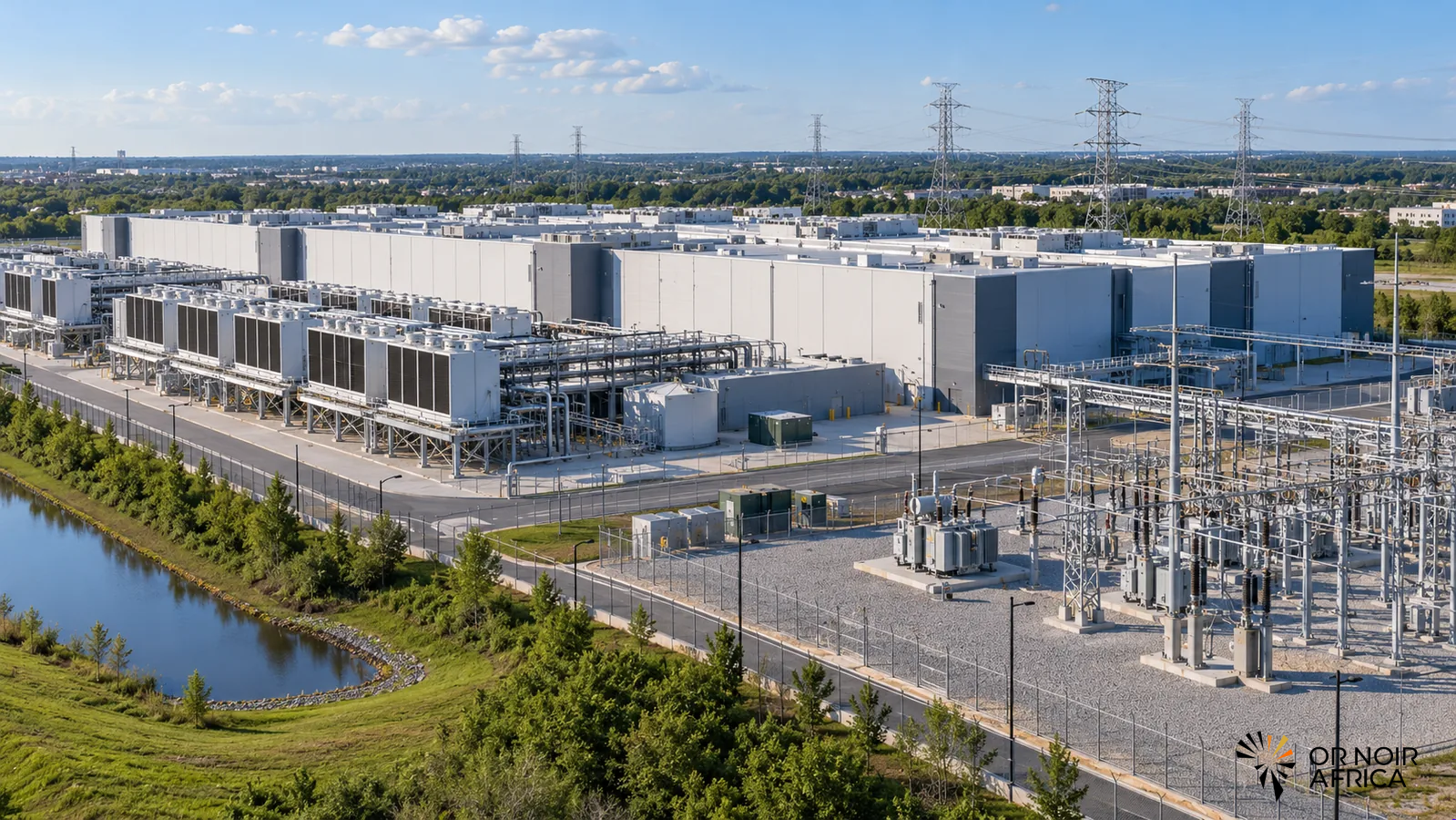
Data centres have become one of the new drivers of electricity demand. The expansion of artificial intelligence, cloud storage and digital services is leading to larger, denser and more energy-intensive facilities. For grid operators, the challenge is no longer simply connecting another building: they must determine where and when this load can be served, who finances the required infrastructure and how to avoid weakening supplies for other users.
This development creates an investment opportunity in generation and grids, but also tests rules designed for more gradual consumption growth. A digital campus can require several hundred megawatts, equivalent to a medium-sized city, and demand stable power around the clock. When several projects concentrate in one region, available transformers, lines and generating capacity can quickly become insufficient.
Connection becomes a planning decision
In several markets, connection queues have lengthened. Operators must distinguish genuinely financed projects from exploratory applications submitted to reserve capacity. An inactive application can occupy a scarce slot and delay a project ready for construction. Criteria covering maturity, schedules and ability to bear costs can help make these queues more credible.
Planning must also consider location. A data centre built near an already congested area may require new transmission lines or additional power plants, with lead times exceeding those for building construction. Authorities can steer investment towards areas with spare grid capacity, provided rules are transparent and do not become an arbitrary barrier to new operators.
Another option is to pair the project with nearby generation or flexibility resources. This arrangement can reduce transmission needs at certain times without guaranteeing complete autonomy. Large loads generally remain connected to the grid and may depend on it when local generation is unavailable. Each project’s actual contribution to system reliability must therefore be assessed rather than treating all on-site capacity as an equivalent replacement for the grid.
Assigning the right cost to the right party
Tariffs have become a central issue. New investment in lines and substations is often financed by all grid customers. If costs attributable to a large consumer are spread too widely, households and small businesses may pay for part of infrastructure from which they derive little direct benefit. Conversely, excessively high or unpredictable tariffs can prevent useful projects and slow productive investment.
Tariffs tailored to large loads can clarify this allocation. They can include minimum consumption commitments, connection charges, financial guarantees and payment obligations even if a site consumes less than expected. Contracts must nevertheless avoid assigning one company the full cost of infrastructure that will later serve other users. Transparency about costs, responsibilities and reusable assets helps reduce this risk.
Operators are also examining interruptible power offers. A company accepting temporary demand reductions during periods of stress could obtain faster connection or payment for the service provided. For a data centre, this flexibility requires transferable servers, backup systems and precise commitments on the timing and scale of reductions. Not all computing tasks can be shifted without consequences, but some can be scheduled at other times or in other regions.
Flexibility depends on verifiable measurements
Demand response contracts only have value if reductions are measurable and available when the grid needs them. Operators must specify activation conditions, notice periods, duration, frequency and remuneration. Customers’ backup capacity must not shift the problem to other infrastructure, for example if local generators increase emissions or strain fuel supplies.
Energy efficiency is also becoming a planning tool. Cooling, server management and facility design strongly influence total consumption. Performance standards or transparency requirements on energy and water can improve comparisons between projects. They must allow technical innovation while providing communities and operators with data consistent enough to measure local impacts.
Location also involves local authorities. A data centre requires land, cooling water depending on its technology, reliable digital connectivity and electrical capacity. Planning rules can coordinate these needs with grid development and climate objectives. Consulting communities helps anticipate competing uses and make promised economic benefits visible, including jobs, tax revenues and digital services.
Accelerating without transferring risks
In the United States, federal regulators have asked regional operators to accelerate the integration of large loads while protecting consumers from unjustified costs. This direction illustrates a challenge facing other economies too: connection times influence competitiveness, but speed must not replace transparent planning.
Africa is also affected, although circumstances differ between countries. Data centres can support financial services, telecommunications and local businesses, but establishing them requires reliable and affordable electricity. In systems with limited generation reserves, a large project must fit into a broader strategy covering new capacity, grids and energy efficiency. Proximity to renewable sources can help supply, provided continuity is organised through contracts, storage and a robust grid.
The rules emerging around large electrical loads will therefore determine the quality of this growth. Decision-makers must reduce administrative delays, filter speculative applications and allocate costs predictably. They must also reward flexibility and efficiency without assuming every site can disconnect at will. The challenge is to welcome new digital investment while maintaining a reliable, financially sustainable grid accessible to other consumers.
Have any thoughts?
Share your reaction or leave a quick response — we’d love to hear what you think!
-
 0
-
0
-
0
-
0
-
0
-
0