

As COP31 approaches, scheduled for November 9–20, 2026 in Antalya, Türkiye wants to use its hosting of the summit to advance energy and climate diplomacy. Ankara’s stated aim is to connect international commitments with projects capable of attracting financing, technology partners and industrial investment.
The conference structure divides responsibilities between two countries: Türkiye will hold the presidency and lead the action agenda, while Australia will lead negotiations. This arrangement places Ankara at the center of cooperation and implementation initiatives without giving it sole responsibility for texts negotiated by states.
From diplomacy to bankable projects
Announced priorities cover electrification, clean energy, green industrialization, the circular economy, resilient cities and climate finance. The COP31 presidency has notably presented initiatives to increase electricity’s share of global final energy consumption to 35% by 2035, reduce buildings’ energy intensity by at least 25% and halve the growth rate of waste. These objectives are directions proposed by the presidency, not decisions already adopted by the conference.
The emphasis on “bankable” projects reflects a practical challenge: climate announcements become equipment only if projects have a business model, risk allocation and financing compatible with expected revenues. For emerging countries, public guarantees, concessional loans, long-term partnerships and technology transfers can help bring capital costs closer to local payment capacity.
The presidency also intends to use discussions in Antalya to connect governments, companies, banks and multilateral institutions. This approach’s effectiveness will depend on transparency of the projects presented, feasibility study quality and the ability to track commitments after the summit. Investment announcements without schedules, contracts or clearly defined responsibilities risk remaining intentions.
Local manufacturing at the heart of Türkiye’s strategy
Türkiye has an industrial base and solar and wind potential it wishes to promote in international partnerships. Minister of Energy and Natural Resources Alparslan Bayraktar said the country was targeting 120 gigawatts of installed renewable capacity by 2035 and considering higher targets for 2040. This national goal must be distinguished from international initiatives promoted under COP31.
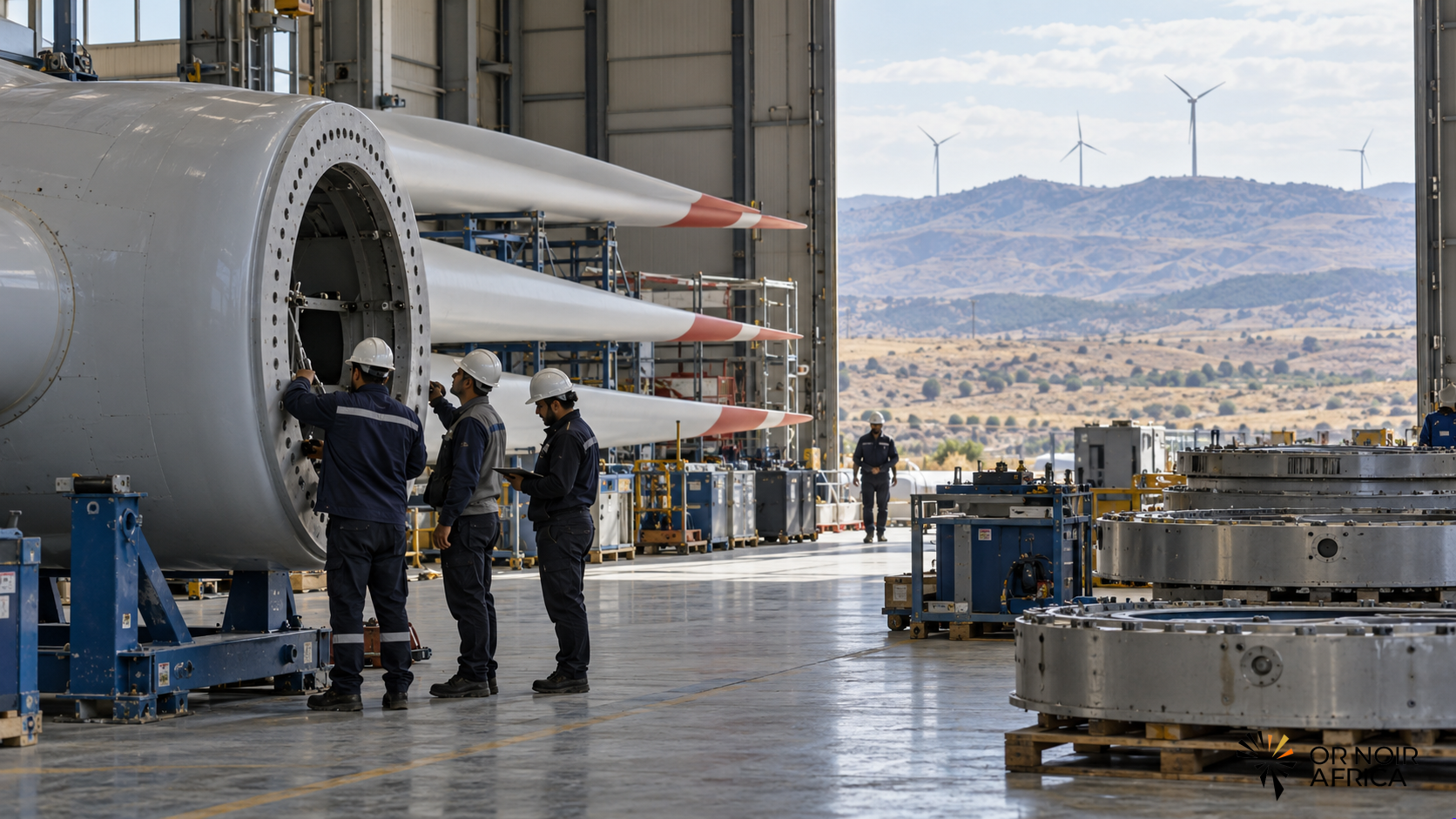
For Ankara, equipment manufacturing—particularly solar panels and wind turbines—can strengthen the transition’s economic benefits. It would provide outlets for local industry while enabling the country to integrate further into regional supply chains. Its position between Europe, Asia and the Middle East is a potential asset for component trade, electricity interconnection and investment.
Murat Dilek, President of the Global Energy Association, argues that the issue extends beyond bringing countries together for climate dialogue. In his view, diplomatic success must also translate into practical partnerships and viable projects. He also stresses that implementing national goals, accelerating clean investment, accessing climate finance and strengthening the country’s technological capabilities will determine this ambition’s credibility. This reading connects diplomacy with industrial results rather than summit visibility alone.
A regional position to consolidate
Türkiye’s geography favors connections with several major markets and energy corridors. This can support cooperation on electricity grids, energy efficiency and low-carbon technologies. However, it does not automatically guarantee a hub role: infrastructure must be modernized, access rules clarified and cross-border projects supported by lasting agreements.
The issue is particularly relevant to African economies, where financing, electricity access and industrialization intersect. Partnerships sought in Antalya could open opportunities for cooperation on equipment value chains, grids, training or renewable project financing. To be balanced, they will need local content goals, skills transfers and a clear allocation of benefits and risks.
This approach reflects concerns shared by many countries in the Global South: increasing energy production without weakening public finances, attracting capital without losing control of strategic assets and creating skilled jobs in growing sectors. COP31 can help structure these exchanges, but realization will depend on national policies and terms negotiated project by project.
Follow-up will determine the summit’s impact
The Antalya gathering will therefore be assessed on two levels. One is the quality of the diplomatic process: inclusion of vulnerable countries, ability to maintain dialogue and consistency across different parts of the agenda. The other is operational benefits: financing mobilized, investment decisions, technology cooperation and projects implemented after the conference.
For Türkiye, hosting COP31 is an opportunity to strengthen its position in climate discussions and showcase its industrial capabilities. However, this strategy’s credibility will depend on actual progress in renewables, grid modernization and turning announced targets into measurable achievements.
In Antalya, the challenge will therefore extend beyond setting a shared direction. It will also be to demonstrate that climate cooperation can produce financeable projects, strengthen local capabilities and accelerate the energy transition without overlooking development needs. Only then will diplomacy become lasting results.
Have any thoughts?
Share your reaction or leave a quick response — we’d love to hear what you think!
-
 0
-
0
-
0
-
0
-
0
-
0