

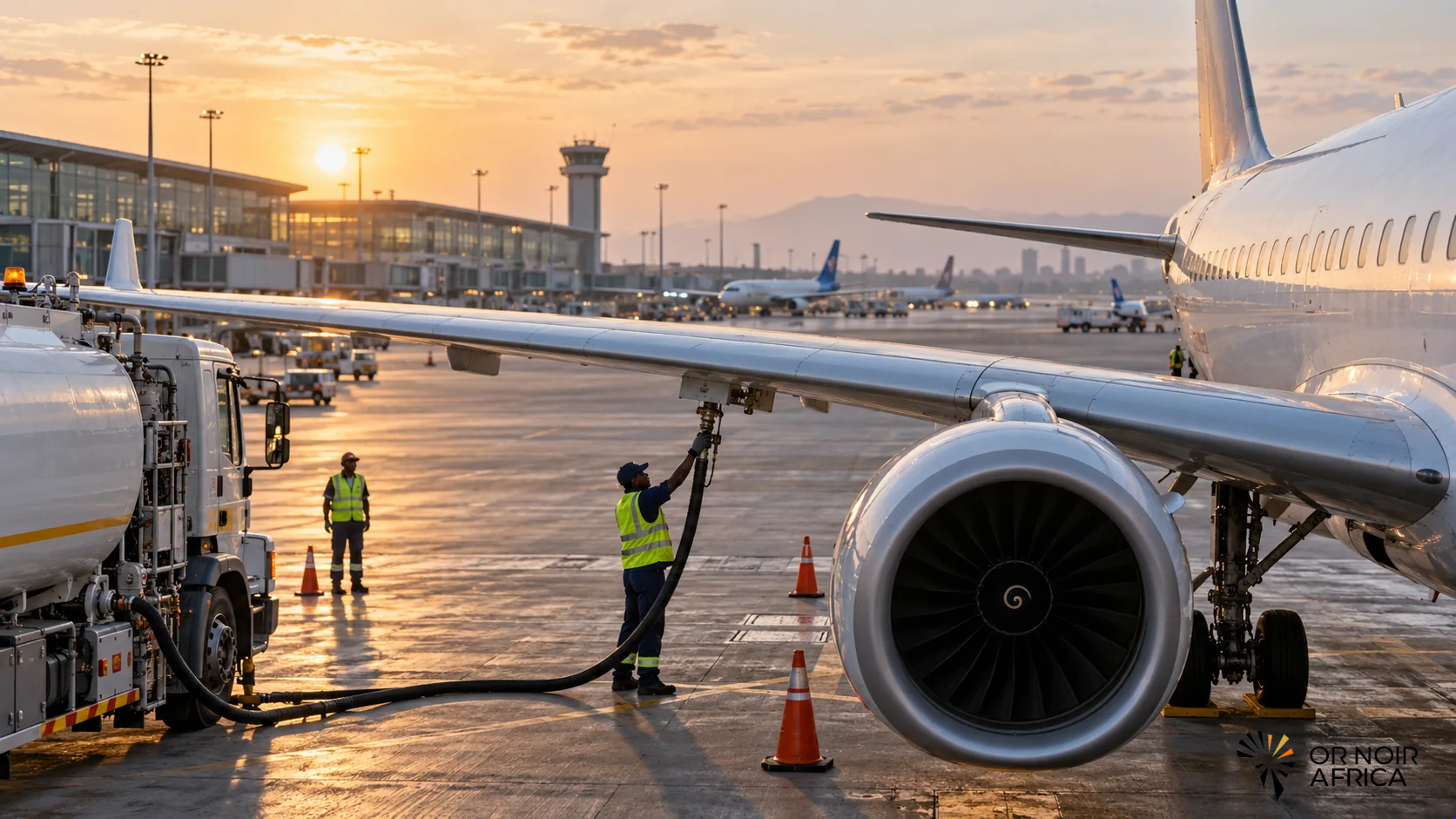
Bio-kerosene, also called sustainable aviation fuel when it meets applicable criteria, refers to a family of fuels that can replace part of fossil kerosene in aircraft. It attracts attention because aviation remains difficult to electrify for medium- and long-haul flights. However, the term covers different production pathways, and a fuel’s biological origin alone does not guarantee lower emissions or sustainability.
What does the term mean?
Conventional kerosene is a liquid fuel obtained from petroleum refining. Bio-kerosene is produced from renewable or residual materials: used oils, animal fats, agricultural or forestry residues, certain organic wastes or energy crops. Feedstocks are not equivalent. Availability, cost, land impacts and potential competition with food vary considerably.
In industry terminology, SAF, or “sustainable aviation fuel,” is broader than bio-kerosene. It includes sustainable aviation fuels derived from biomass or waste, as well as certain production routes using non-fossil carbon and hydrogen. In this overview, bio-kerosene primarily means synthetic fuels manufactured from biological resources.
How is it produced?
Several processes can convert feedstock into aviation-compatible fuel. The HEFA pathway, for example, treats oils and fats through hydrogenation. Other processes gasify residues to produce synthesis gas, subsequently converted into liquid hydrocarbons. Processes can also transform sugars or alcohols into molecules suitable for aviation fuel.
The resulting product must meet strict technical specifications: energy density, low-temperature behavior, stability and compatibility with engines and fuel systems. Approved pathways undergo evaluation and standardization procedures. Depending on the production route, fuel can be blended with fossil kerosene in proportions permitted by current specifications. Producing a renewable liquid is therefore insufficient: technical compliance must be demonstrated, traceability ensured and airport deliveries organized.
How should its climate impact be assessed?
Bio-kerosene emits carbon dioxide in the engine when burned. Potential climate benefits are assessed across the entire lifecycle, from feedstock production or collection to combustion, including processing and transport. Results depend on resource type, plant energy, process, land-use changes and how associated emissions are accounted for.
Fuel manufactured from a genuinely available residue can have a different impact from fuel based on a dedicated crop requiring substantial land or inputs. Similarly, feedstock transported over long distances and processed using carbon-intensive energy can reduce expected benefits. Indirect emissions from land conversion or displacement of agricultural activities must also be considered.
International frameworks therefore rely on lifecycle analysis methods and sustainability criteria. Under the International Civil Aviation Organization system, emissions values depend notably on feedstock, process and production region; batches must meet criteria and be certified by a recognized scheme to receive the treatment provided by the relevant regime. Announced reduction percentages are therefore not universal: they must be linked to a documented pathway and a precise calculation method.
Availability and cost challenges
Supply is a major obstacle. Airlines, airports and states express growing demand, but facilities, sustainable feedstocks and logistics chains remain limited. Used oils and certain residues are not available in unlimited quantities. Diverting them to aviation can also create competition with other industrial or energy uses.
Production costs generally remain above fossil fuel costs, with differences varying by pathway, market and public policy. Financing facilities depends on long-term purchase agreements, predictable rules, access to hydrogen and low-carbon electricity for certain technologies, and available capital and infrastructure. Support mechanisms can accelerate investment, but must avoid subsidizing emissions reductions merely claimed without robust evidence.
What are Africa’s prospects?
The continent has resources potentially supplying certain pathways: agricultural residues, used cooking oils, organic waste and eventually hydrogen produced with renewable electricity. Converting these resources into aviation fuel nevertheless depends on collection, quality, existing local uses and logistics. Theoretical potential is not immediately available feedstock.
African projects can also create collection, processing, certification and logistics jobs while bringing production closer to regional demand. To retain value on the continent, decisions must include local stakeholders, agricultural producers, communities and regulators. Exporting raw feedstock without processing or skills sharing would limit industrial benefits.
A targeted measure requiring evidence
Bio-kerosene can help reduce aviation’s climate footprint when produced through a certified pathway using sustainable feedstocks and credible lifecycle analysis. It does not replace efficiency measures, operational optimization or other sector innovations. Expansion faces limited eligible resources, costs and the need to verify achieved reductions.
For African investors and policymakers, the decisive questions are concrete: which feedstock, what traceability, which processing energy, what market and what share of local value added? These conditions determine whether alternative fuel becomes an industrial and climate tool rather than simply a commercial promise.
Have any thoughts?
Share your reaction or leave a quick response — we’d love to hear what you think!
-
 0
-
0
-
0
-
0
-
0
-
0





