

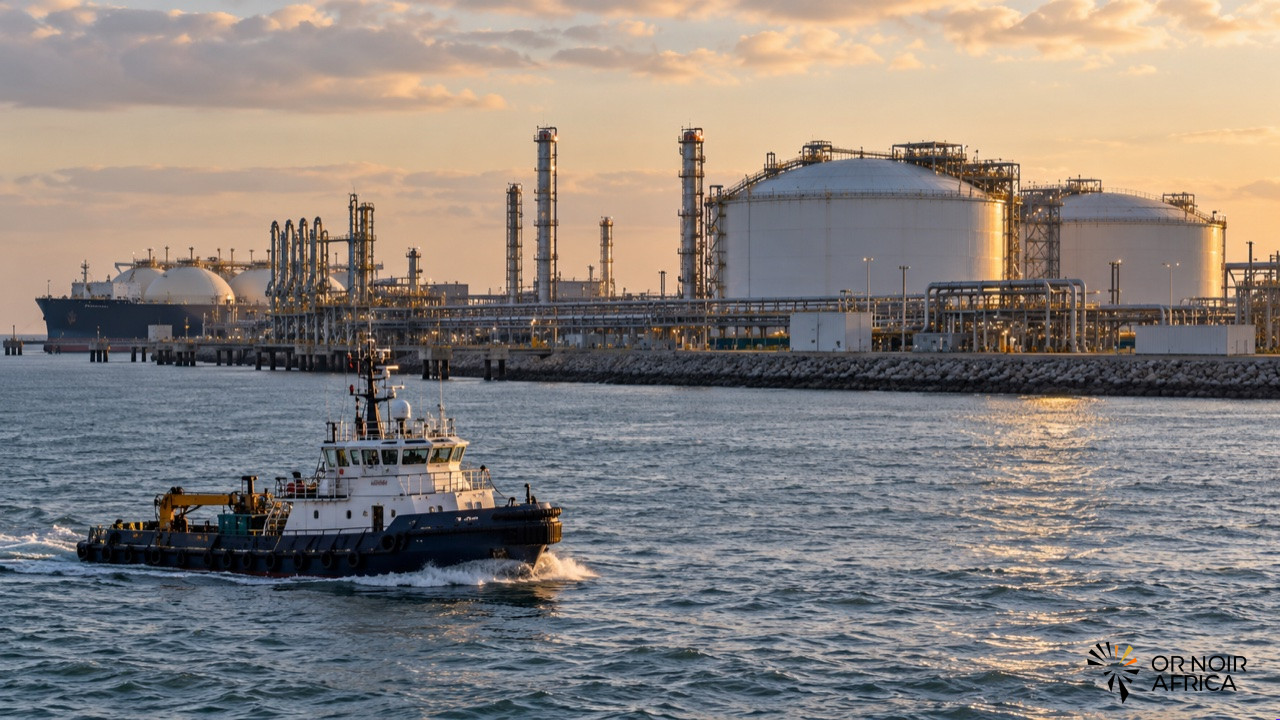
AI-generated illustration, for illustrative purposes.
The International Energy Agency (IEA) has sounded the alarm over the crisis paralyzing the Strait of Hormuz, describing the situation as the “greatest threat to global energy security in history.” IEA Executive Director Fatih Birol said on Monday, March 23 in Canberra: “We are in the middle of a global energy crisis,” adding that the current impact is “more severe than the oil shocks of the 1970s.”
According to the IEA, the global market has lost approximately 11 million barrels per day of oil and refined products, a volume greater than the combined losses recorded during the two major oil crises of 1973 and 1979. The Strait of Hormuz, through which approximately 20% of the world’s oil traditionally passes, along with a significant share of liquefied natural gas, remains blocked, causing simultaneous disruptions in oil and gas markets.
Faced with this extreme supply pressure, the IEA already coordinated the largest strategic stock release in its history on March 11, 2026: 400 million barrels from member countries’ emergency reserves. The agency is currently consulting several governments, including in Asia and Europe, on the possibility of another wave of stock releases to stabilize markets.
Fatih Birol nevertheless emphasized the temporary nature of these measures: “Releasing stocks can help mitigate the impact on the global economy, but it is not the solution. The most decisive solution remains reopening the Strait of Hormuz. As long as this strategic passage remains blocked, global energy security will remain under threat.”
The crisis, linked to tensions in the Middle East, has also severely damaged more than 40 energy facilities in nine countries in the region. It is driving sharp increases in oil and gas prices, complicating access to refined products and substantially raising import costs for many importing economies.
In Africa, several countries—including Ghana, South Africa and Kenya—are bearing the full impact of rising prices and are now turning to Nigeria’s Dangote refinery to secure fuel supplies, underscoring the continent’s vulnerability to external shocks.
The IEA says it is ready to intervene “if necessary” to support energy markets, but warns: “No country will be immune” if the crisis continues. Swift reopening of the Strait of Hormuz appears to be the only lasting way out to avoid a major global economic shock.
The warning comes as Brent prices have already crossed critical thresholds, reminding policymakers and operators of the strategic importance of Gulf shipping routes and the need for stronger international coordination.
Have any thoughts?
Share your reaction or leave a quick response — we’d love to hear what you think!
-
 0
-
0
-
0
-
0
-
0
-
0





