

Fifteen oil, gas and electricity projects presented at African Energy Week 2026 in Cape Town seek more than $16 billion in capital. Brought together in the Deal Room organized by Premier Invest, they cover exploration, production, midstream infrastructure, processing facilities and electricity generation. Needs range from development financing of a few million dollars to large-scale project finance transactions.
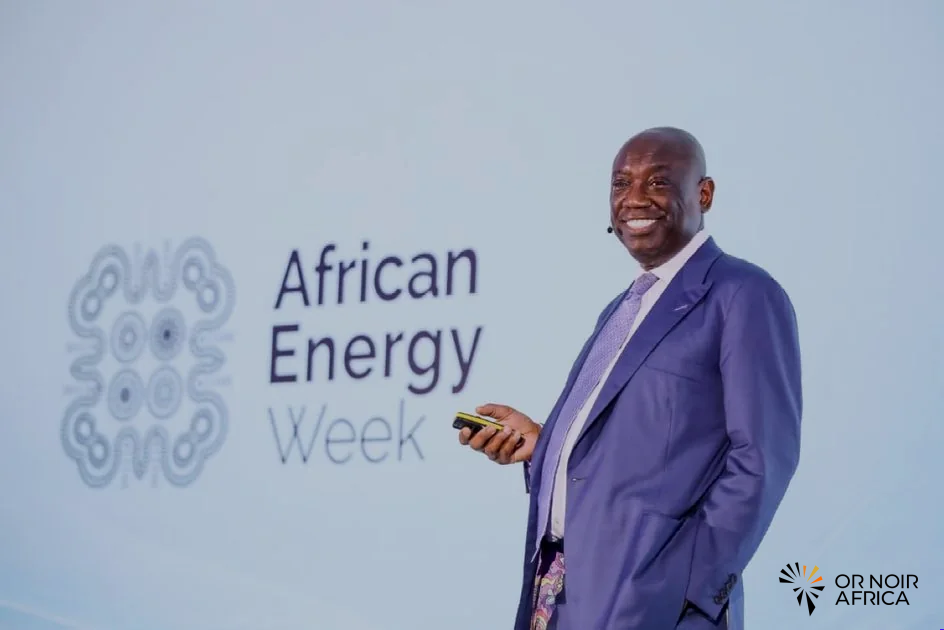
The presentation by René Awambeng, managing partner of Premier Invest, highlighted different forms of participation: equity investment, debt, acquisition financing and development capital. The diversity of instruments reflects the projects' variety, with some concerning assets already producing while others involve discoveries to assess, exploration prospects or infrastructure to build.
The aggregate amount indicates the scale of needs presented to investors. It does not represent capital already mobilized. Progress will depend on lenders' and partners' due diligence, projects' technical maturity, approvals, commercial agreements and developers' ability to allocate risks.
Needs at different stages of maturity
In oil upstream activities, an integrated Southern African company seeks up to $200 million in exchange for a 30% interest. It plans to increase production from approximately 30,000 barrels per day to 80,000 barrels per day by 2029 and expand into downstream activities and the energy transition. Achieving this objective will depend on the project portfolio, development investment and sustaining existing production.
In East Africa, a heavy oil producer seeks $200 million to $250 million in debt for a development program announced at $350 million. The first phase targets an increase from 600 to 10,000 barrels per day. A second stage could raise production to 20,000 barrels per day and include export infrastructure. The gap between current production and targets makes phased financing, well performance and transport facility construction decisive.
A nearshore oil discovery in Central Africa was also presented. Two wells reportedly recorded test rates of up to 1,604 barrels per day. The stated financing need is approximately $86 million to prepare development combining a mobile production unit, new wells and a roughly ten-kilometer pipeline to onshore facilities. These test rates indicate reservoir potential, but do not prove sustained commercial production.
An offshore gas and condensate project in Southern Africa seeks $50 million for a 45% interest. Stated mean contingent resources total 785 million barrels of oil equivalent. A second appraisal campaign is underway, while potential markets include fertilizer production, electricity and liquefied natural gas exports. The choice between these markets will depend on proximity, infrastructure and available offtake contracts.
Exploration, acquisitions and infrastructure
Exploration proposals illustrate early financing's role in creating future projects. An onshore Southern African prospect, with estimated gross recoverable potential above one billion barrels, seeks approximately $25 million through a planned Canadian listing. A separate offshore discovery seeks $8 million to finance a well workover and development work, targeting first production within an indicative period of approximately 24 months.
An acquisition transaction in West Africa concerns a producing oil block. The $112 million to $126 million in debt financing sought is intended to contribute to purchasing a 60% interest. The asset currently produces nearly 4,000 barrels per day, with a target of 23,000 barrels per day by 2031. Contingent gas resources could also provide a development opportunity, subject to appraisal and a commercial market.
Midstream is represented by a Southern African LPG import terminal seeking approximately $55 million for expansion. The project aims to increase storage capacity and strengthen supply to local consumers and neighboring markets. Viability will depend on imported volumes, actual terminal utilization and logistics contracts as much as on building new capacity.
Electricity and new gas demand
Two proposals concern electricity generation and gas-powered infrastructure. In West Africa, a 180 MW combined-cycle power plant seeks €250 million. Proposed financing includes a €212.5 million senior leasing facility and an additional €37.5 million. The facility would address growing demand, but execution will depend on gas supply, grid connection and electricity buyers' creditworthiness.
In Southern Africa, a gas-to-computing project seeks $5 million in development financing for announced investment of $200 million. The concept combines gas supply, dedicated power generation and AI data center infrastructure. Full financing is envisaged after a prefeasibility study. The model will need to demonstrate computing demand, energy access and competitiveness against other electricity sources.
Turning presentations into transactions
The Deal Room seeks to bring developers, lenders and investors together around concrete proposals. This function is useful in a market where many projects struggle to move from announcements to investment decisions. For developers, such a platform can improve visibility and help clarify financing structures. For investors, it offers an initial comparative view of opportunities and risks.
However, portfolio quality cannot be measured solely by the amount requested. Steps to monitor include publication of detailed information, independent resource evaluation, confirmation of approvals and securing supply or offtake contracts. The most advanced projects will then need to demonstrate their ability to meet costs, schedules and production targets.
The $16 billion presented in Cape Town thus outlines a range of capital needs rather than a guaranteed investment volume. These projects' ability to raise funds will depend on financial discipline, data transparency and the existence of infrastructure and markets. Converting these requests into financing decisions and then operational assets will allow the Deal Room's actual impact to be assessed.
Have any thoughts?
Share your reaction or leave a quick response — we’d love to hear what you think!
-
 0
-
0
-
0
-
0
-
0
-
0





