

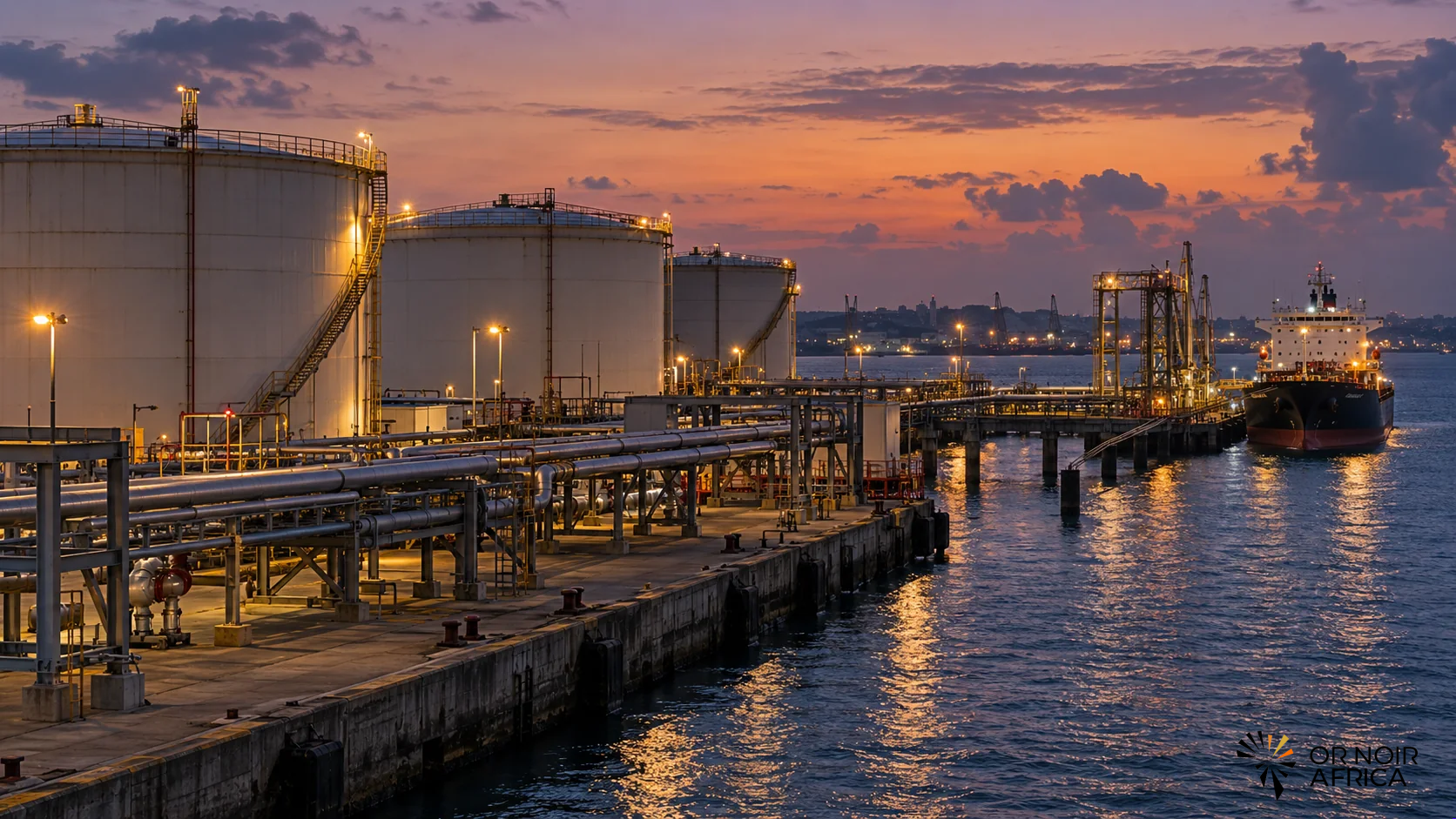
The G7’s decision to release up to 100 million barrels of oil and refined products over four months aims to calm a market disrupted by war in the Middle East. A substantial share of diesel is to reach the market in the first twenty days, according to the October 2 announcement. Brent fell after the decision, but benefits for African importers will depend on a more concrete question: how much diesel will be available, when and in which markets?
The answer is not automatic. Strategic reserves are held by International Energy Agency member states, and the decision provides for phased releases. Cargoes can lower global prices without being shipped directly to African economies. For refined-product importers, final costs also depend on refining margins, freight, insurance, exchange rates and regional supplier availability.
From crude to diesel: the benchmark does not tell the whole story
Brent is a crude oil benchmark, while households, transport operators, businesses and power plants buy refined fuels. Crude and diesel prices are linked, but not immediately or proportionally. Inventories, refinery capacity, transport costs and product-specific pressures can keep diesel expensive even when crude falls.
The G7 announced up to 100 million barrels of diesel, gasoline and crude distributed over four months. The first phase is to be accelerated to supply a substantial portion of diesel within twenty days. Composition matters: only part of the volume concerns the product many African economies use for freight, generators and certain industrial activities.
Markets reacted with a Brent decline of approximately 1.5% to around $100.8 a barrel after the announcement. This reflects expectations and the political signal as much as immediate physical barrel arrivals. Further movements will depend on shipping flows, production and the duration of Middle Eastern disruption.
Why diesel weighs particularly heavily on African economies
Diesel is essential to many sectors. Mining firms use it for machinery and generators; hospitals often rely on backup units; road hauliers move food, materials and fuel; industries can use generators when grids are unreliable. Higher diesel prices therefore increase logistics and production costs, potentially affecting goods and service prices.
Exposure varies by country. Some directly import refined fuels; others produce crude but have limited local processing capacity or must import part of their products. Landlocked states also pay for long-distance transport and depend on port corridors and transit countries. G7 reserves do not resolve these structural vulnerabilities.
Analysis must also distinguish households from large consumers. Wholesale price declines do not necessarily reach pumps quickly, particularly when domestic prices are regulated, subsidized or tax-influenced. Businesses can benefit from lower supply costs only if contracts, inventories and suppliers transmit the change.
Temporary support with uncertain distribution
In March, IEA members had already agreed a coordinated 400-million-barrel release after disruptions around the Strait of Hormuz. The new G7 decision comes as flows partly recover through shipping and alternative routes but remain exposed to security risks. Authorities indicated volumes through the strait and Yanbu pipeline had recovered part of their pre-war levels.
Stock releases can help offset disruption and reduce shortage expectations. They do not create new refining capacity or guarantee delivery to vulnerable markets. Governments and buyers should track products actually released, cargo destinations and diesel premiums rather than rely solely on a declining crude index.
For Africa, decisive factors will include importers’ supply agreements, vessel availability, foreign currency access and regional port inventories. Regional coordination could improve visibility on volumes and schedules, particularly for countries sharing supply corridors.
Ways to reduce vulnerability
Governments can cushion immediate effects through targeted assistance to households and essential services while avoiding expensive blanket subsidies that also support the largest consumers. Well-managed national and regional reserves provide complementary protection if aligned with actual needs and governed by transparent release rules.
In the medium term, reliable electricity reduces diesel generator use at hospitals, businesses and industrial sites. Transport efficiency, rail and public transport development, and complementary energy sources also reduce sensitivity to oil prices. Supplier and shipping-route diversification remains essential for net importers.
The G7 release is therefore a potential buffer, not a guarantee of immediate relief for Africa’s bill. Its effectiveness will be judged through delivered diesel prices, cargo availability and savings passed to consumers. For African countries, the crisis above all recalls that supply security rests as much on storage, refining and logistics corridors as on Brent prices.
Have any thoughts?
Share your reaction or leave a quick response — we’d love to hear what you think!
-
 0
-
0
-
0
-
0
-
0
-
0