

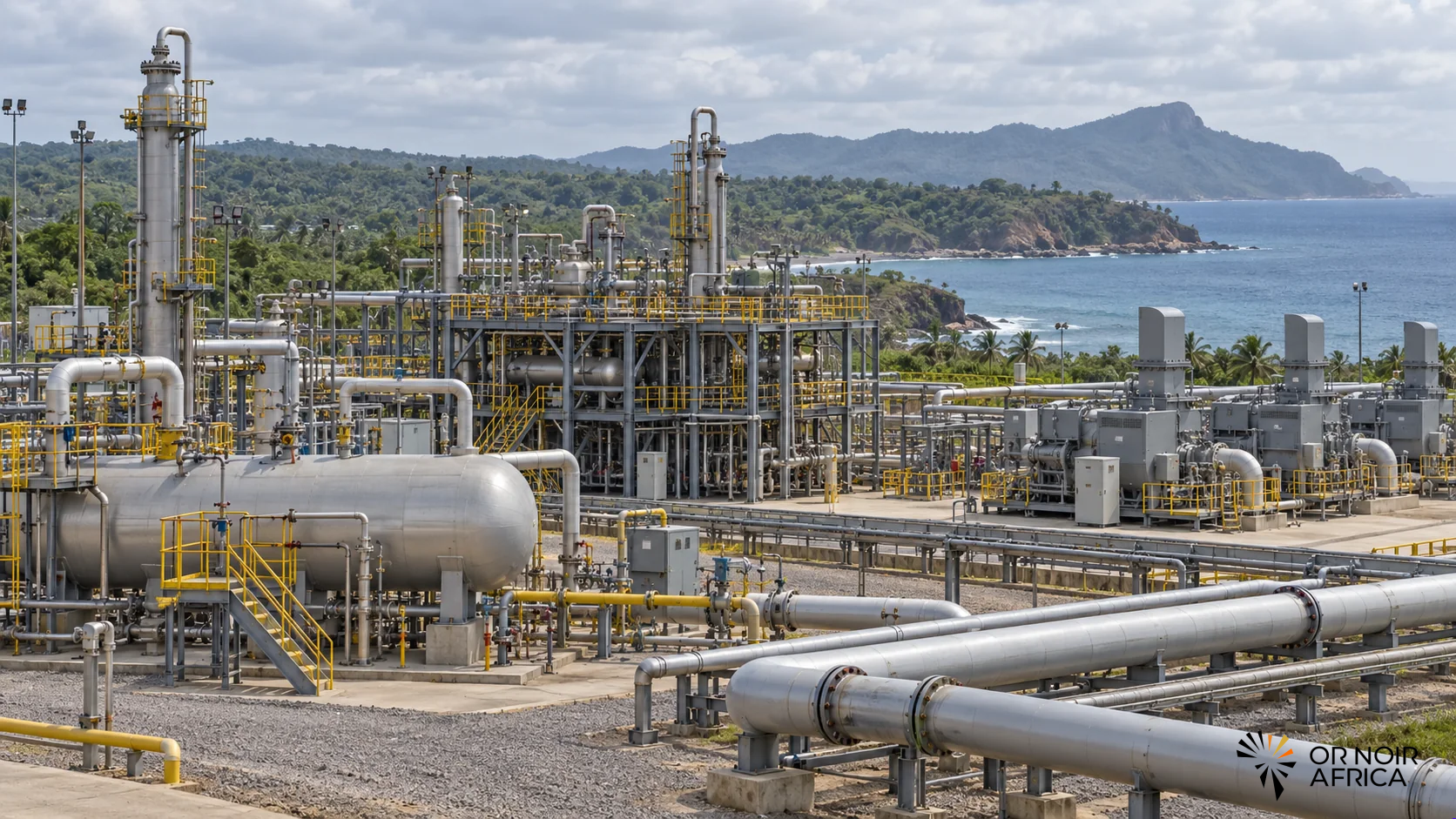
Baker Hughes has entered into a framework agreement with state-owned PDVSA, engineering company Lindsayca and liquefied natural gas developer Fulcrum LNG to help upgrade Venezuela's gas infrastructure. The stated objective is to connect upstream resources with processing, transportation and marketing facilities, with the possibility of eventually developing LNG exports. A separate memorandum has also been signed with New Stratus Energy to support future oil and gas projects.
The announcement comes as Venezuela seeks to extract greater value from its hydrocarbon resources and its infrastructure requires substantial investment. However, the agreements do not yet constitute construction or financing contracts for defined projects. Each operation will require separate agreements, internal approvals and compliance with US sanctions and export-control rules.
A framework for rebuilding an integrated gas chain
The alliance brings together complementary capabilities. Baker Hughes provides technologies for fields, processing and energy equipment; Lindsayca has engineering, procurement, construction and operating capabilities; Fulcrum LNG works on developing midstream infrastructure and LNG projects. PDVSA, meanwhile, controls the main national assets and remains an essential player in any development of the sector.
The partners say they first want to identify facilities to rehabilitate or modernize to improve domestic supply. Gas could support electricity generation and industrial activities, but these uses depend on available networks, reliable facilities and creditworthy buyers. Prioritizing the domestic market is therefore a necessary step before any large-scale export strategy.
In the medium and long term, the companies intend to assess transportation infrastructure accessible to several operators, as well as LNG facilities. An open-access model, if implemented with clear rules, could allow different producers to market their gas without each having to build their own networks. It would also offer an option for exporting volumes that lack sufficient local outlets.
LNG exports remain a conditional prospect
The agreement opens the possibility of eventually exporting the first cargoes of LNG produced in Venezuela. This prospect is important for a country with considerable gas resources that has not yet established a fully operational LNG export chain. Creating such a chain requires substantial, sustained investment in gathering, processing, pipelines, liquefaction, terminals and market access.
Financing must also take account of contractual terms, legal certainty and international authorizations. The statement specifies that any project will depend on new definitive agreements and applicable US sanctions rules, including Office of Foreign Assets Control authorizations when required. This constraint can influence the timetable, financial partners, available equipment and buyers willing to commit.
The financial terms of the agreements have not been detailed. At this stage, it is therefore impossible to quantify investments, the gas volumes involved or commissioning dates. This distinction matters: a framework agreement organizes cooperation and identifies opportunities, but guarantees neither financing nor delivery of the envisaged facilities.
An energy restart in a complex environment
Venezuela faces aging equipment, production affected by years of underinvestment and a political and regulatory environment subject to change. Rehabilitating gas infrastructure could improve supply to power plants and industrial users, but requires coordinating interventions throughout the chain. An isolated production facility cannot deliver marketable gas if processing and transportation systems are failing.
For PDVSA, partnering with international companies can help mobilize technologies, project methods and financing capabilities. The partners must nevertheless clarify the allocation of responsibilities, operating risks, remuneration for services and infrastructure governance. Definitive contracts will determine whether the assets built can be used by several producers and how domestic and export sales will be organized.
The separate agreement with New Stratus Energy concerns support for future oil and gas projects. It broadens Baker Hughes' scope of cooperation in the country, but should not be confused with the gas alliance involving PDVSA, Lindsayca and Fulcrum LNG. The two instruments must follow their own approval and development stages.
From announcements to investment decisions
Baker Hughes' alliance with PDVSA, Lindsayca and Fulcrum LNG outlines a path to restore domestic supply and develop the utilization of Venezuelan gas. Its appeal lies in the integrated approach connecting production, networks and markets. Its outcome will nevertheless depend on decisions that remain to be made: project selection, technical studies, financing, authorizations and sales contracts.
The indicators to monitor will be concrete: the first project agreements, confirmed investments, volumes actually processed and transported, and improved supply to power plants. Establishing an LNG export chain cannot be considered assured until lasting facilities and commercial contracts are in place. For now, the announcement marks the launch of a cooperation framework, rather than the complete restart of Venezuela's gas industry.
Have any thoughts?
Share your reaction or leave a quick response — we’d love to hear what you think!
-
 0
-
0
-
0
-
0
-
0
-
0





